Individuals should treat digital assets as an important part of estate and succession planning rather than as informal holdings. Digital assets hinder inheritance via passwords, privacy rules. India lacks clear rules on inheriting digital assets
As Indians increasingly invest in cryptocurrencies, NFTs, online investment accounts, cloud storage and monetized social media platforms, legal experts warn that digital assets are rapidly transforming estate planning and inheritance disputes in the country.
Unlike traditional assets such as property, bank deposits or jewelry, digital holdings often exist behind passwords, private keys and platform-specific privacy rules, creating major challenges for families after the death of the asset owner. Experts say the absence of clear succession instructions, login credentials or dedicated legal frameworks is leading to rising uncertainty around ownership, access and valuation of such assets.
“Digital assets are fundamentally changing the nature of succession because ownership in the digital ecosystem is often invisible, decentralized, and access-driven rather than document-driven,” said Tushar Agarwal, Founder & Managing Partner, C.L.A.P. JURIS, Advocates & Solicitors.
Families struggling to access digital wealth
Legal practitioners say one of the biggest challenges is that families are often unaware of the existence or value of digital assets held by deceased individuals. Unlike bank accounts or immovable property, there is no centralized mechanism to trace crypto wallets, NFTs or overseas digital investment accounts.
“In many instances, heirs encounter formidable barriers in establishing both ownership and accessibility. Password protection, multi-factor authentication, private encryption keys, platform confidentiality obligations and restrictive user agreements frequently render digital holdings inaccessible notwithstanding undisputed familial entitlement,” said Tushar Kumar, Advocate, Supreme Court.
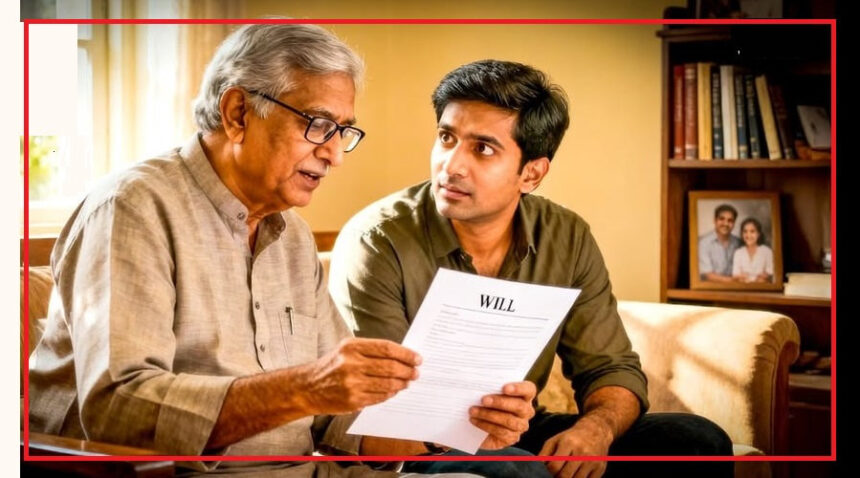
The issue becomes more complicated when there is no will or succession plan in place. Experts note that heirs may have to approach courts for probate, succession certificates or letters of administration merely to establish authority over online accounts and digital assets.
Varun Kalsi, Director, Private Client at Cyril Amarchand Mangaldas, said existing succession laws were drafted decades before digital assets became mainstream.
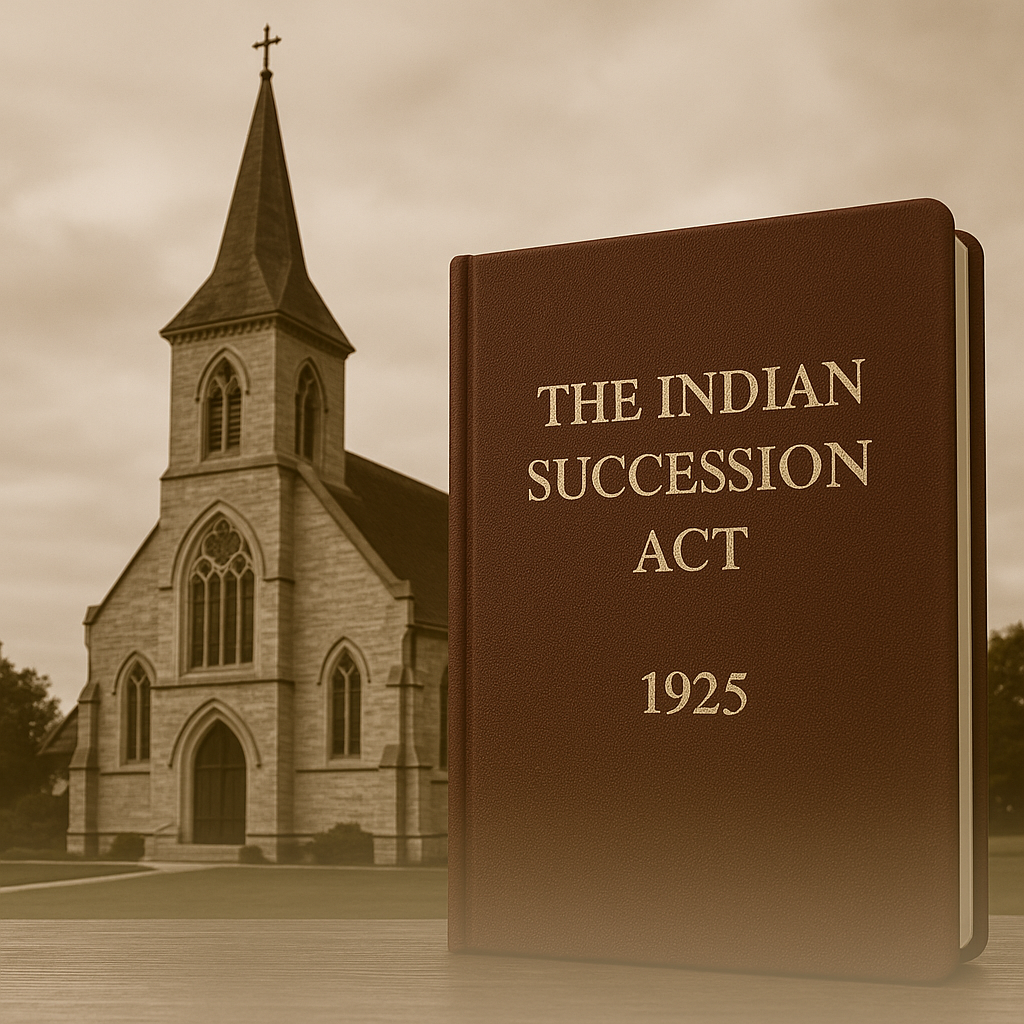
“When there is no Will in play, the heirs will need to establish their claim in terms of intestate succession laws,” Kalsi said. “These laws belong to the 1950s and did not comprehend digital assets.”
Cross-border platforms complicate disputes
Experts say digital inheritance disputes are also becoming increasingly complex because many online platforms, crypto exchanges and cloud service providers operate outside India and are governed by foreign laws.
A digital asset may belong to an Indian resident but be stored on overseas servers or managed by foreign companies with their own privacy and succession policies. This creates uncertainty regarding jurisdiction, enforceability of Indian succession orders and taxation.
“Digital assets may be decentralized, pseudonymous and geographically dispersed across jurisdictions,” Kumar said. This creates significant complications concerning applicable law, enforceability of Indian succession orders, privacy restrictions and recognition of heirship by foreign entities.
Sadia Khan, Partner at Shardul Amarchand Mangaldas & Co., said Indian succession laws were framed when property was largely physical and tangible.
“While jurisdictions such as the United States, Australia, Italy and Germany have pivoted towards recognizing digital assets in inheritance framework, India still lacks a dedicated statutory guideline to deal with digital succession and posthumous access rights,” Khan said.
Why digital estate planning is becoming essential
Lawyers say the growing risks associated with digital inheritance are making digital estate planning an essential part of wealth management.
Experts recommend that individuals explicitly include digital assets in wills, maintain updated inventories of online holdings and securely preserve login credentials and recovery information. They also advise appointing trusted digital executors who can coordinate with platforms and heirs after death.
“Ensure that these assets are clearly captured in their Wills. Also, register your Wills,” Kalsi said. “Digital asset platforms are more likely to receive registered Wills well when compared to unregistered ones.”
Experts say that sensitive passwords and private keys should not be directly written into wills because probate proceedings may eventually become public.
For high-value digital estates, appointing a digital executor or trustee may become increasingly important.
Steps to ensure smooth transfer of digital assets to heirs
Wherever platforms permit features such as ‘Legacy Contact’ or nominee-based access, trusted representatives should be designated to manage accounts after death. Succession tools should also provide clear instructions regarding how certain digital accounts are to be handled, including whether accounts are to be memorialized, closed, transferred or continued. Particularly for cryptocurrencies and blockchain-based assets, additional safeguards such as multi-signature arrangements, confidential executor instructions and layered verification mechanisms may be established to ensure secure posthumous access.
Source:- AYUSH MISHRA MAY 27, 2026 / 17:48 IST
Read More:
https://www.moneycontrol.com/news/business/personal-finance/who-inherits-your-crypto-and-online-assets-know-why-digital-assets-should-be-mentioned-in-a-will-13933095.html